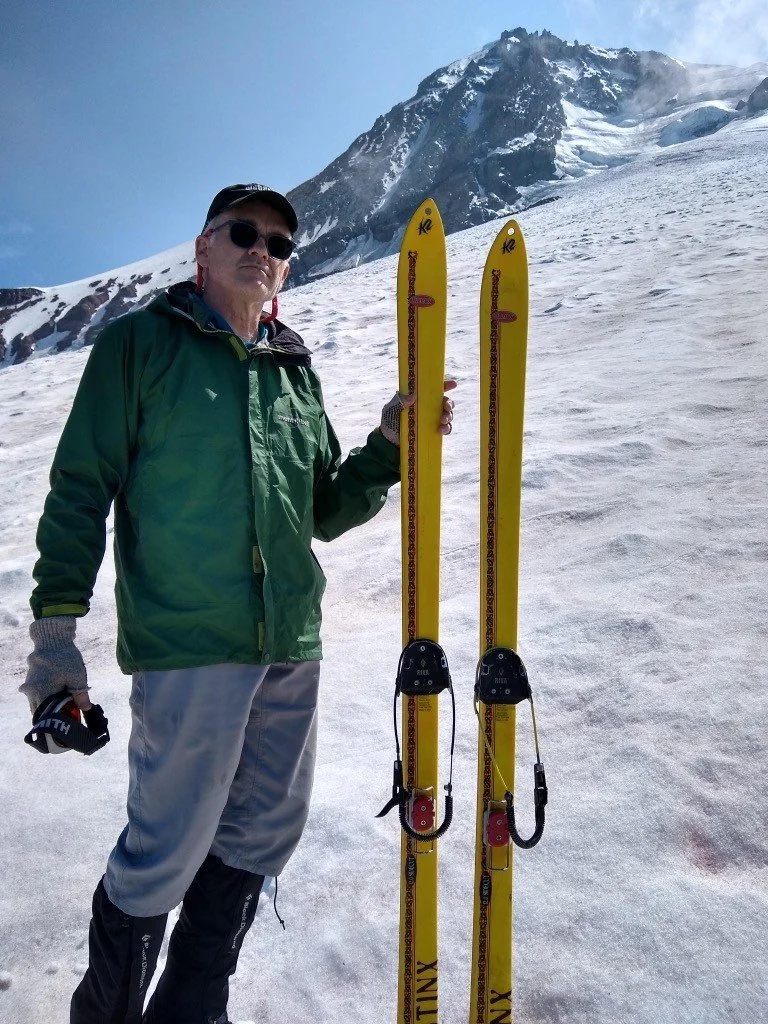
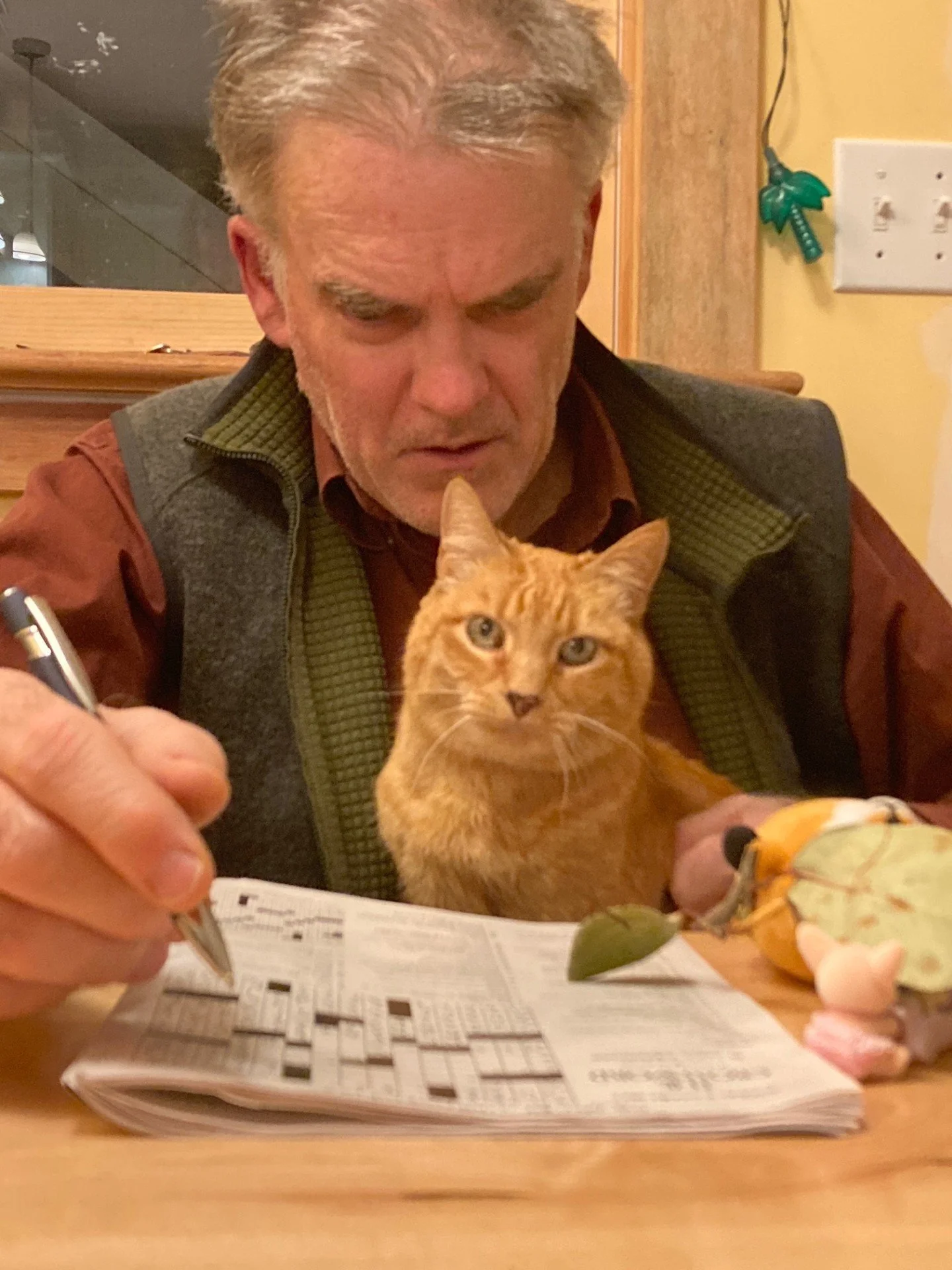
Meet Bob Davis
Right up front, I have to make a few things clear:
I’m not a heat pump installer
I’m not a service technician, either
But I do know the steps to get a good system installed in your house and also have ideas about why a system you already have may not be making your house comfortable or be costing you a lot of money to run.
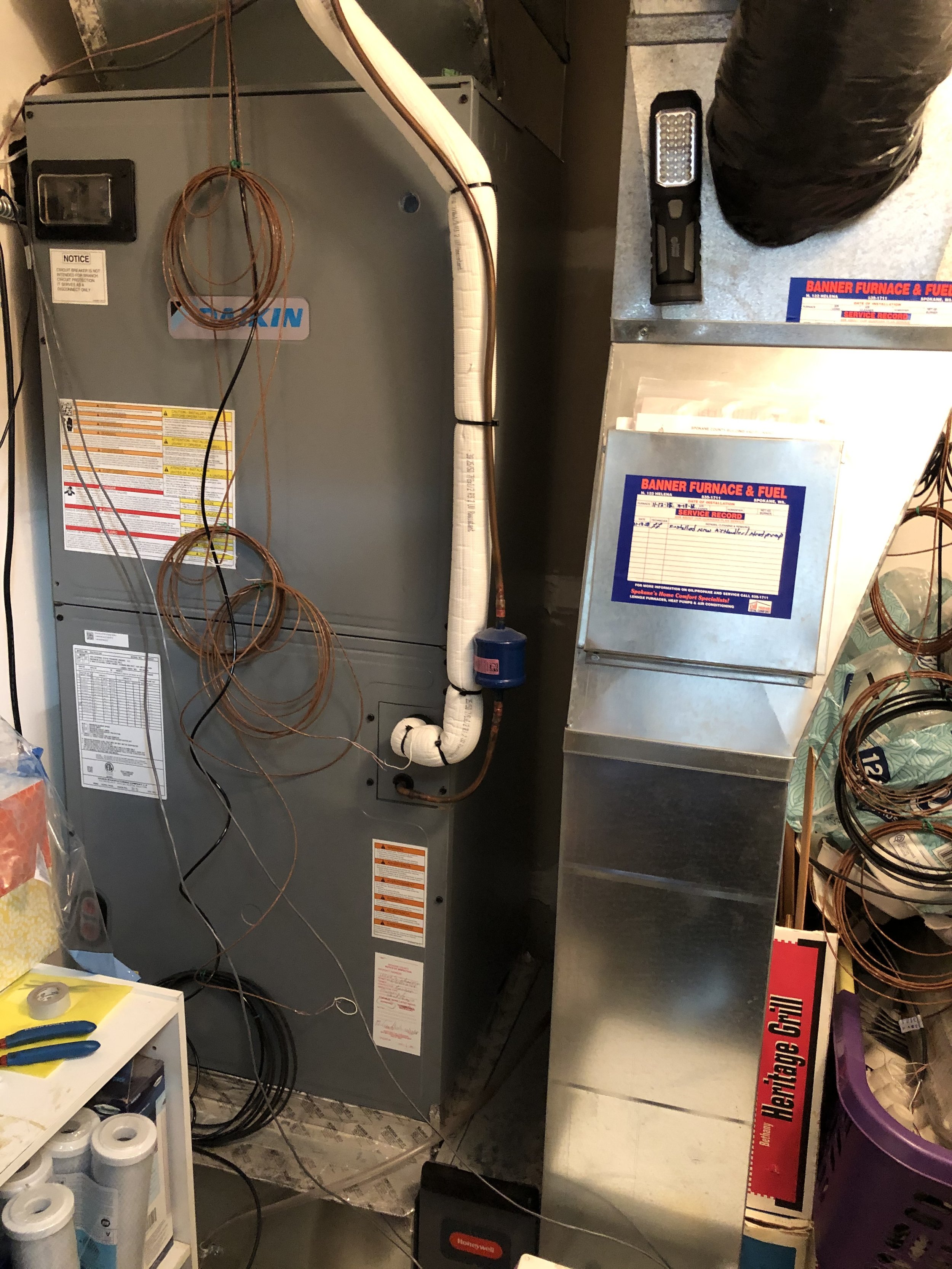
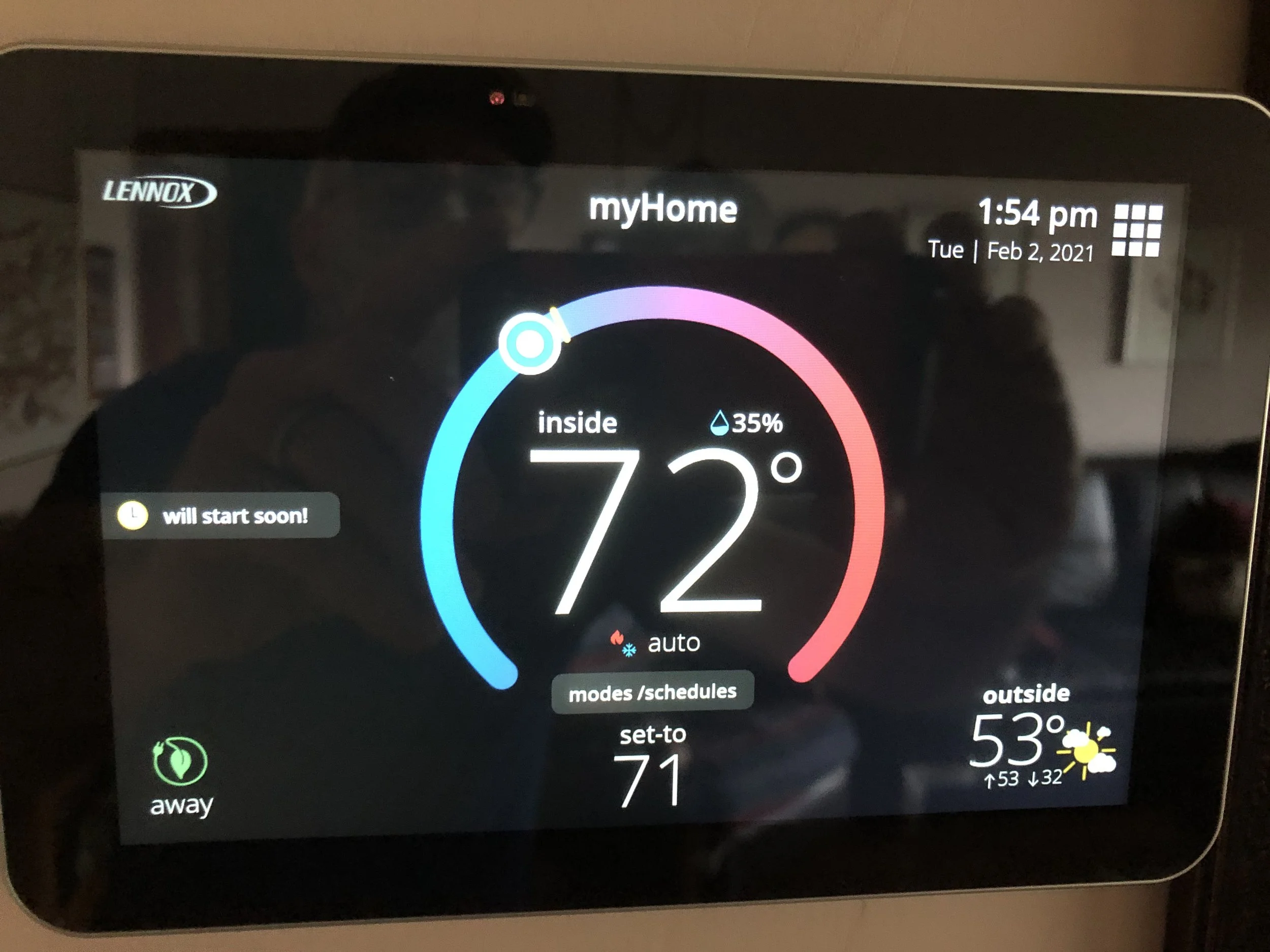
Heat pumps can work well in our climate (the Pacific NW). I know they can because I have them in my own house and can see what they do. I also have seen systems that don’t work well. Sometimes this has to do with problems from the outset such as the system’s nominal size vs the heat load or the ducts are too small for a heat pump (because the house was built way before heat pumps were a thing.) Other times, it might be control settings. Many of us aren’t used to heat pumps and we have to learn how to adapt to their way of heating (vs gas). I can see things from a variety of perspectives that I think can be useful to others: I’ve been an energy researcher, an ad hoc service technician, and a homeowner.
Bob Davis was Senior Research Engineer for Ecotope, Inc. and founded Full Conditions Consulting in 2024.
Over the past 35 years, his work has focused on building performance, with a strong emphasis on residential energy use through direct measurement.
He has had primary responsibility for writing and implementing field protocols that measure whole building and heating/cooling equipment performance plus conducting training of field crews and performing quality assurance on their work. Most of this work has fed directly into Pacific NW policy-making processes. He has repeatedly served as field manager for studies conducted in single-family and manufactured homes, low and high-rise multifamily buildings, and commercial buildings.
His primary focus is on field performance of both residential and commercial buildings across the US through work for national laboratories and Bonneville Power Administration.
Bob is EPA-certified to handle refrigerants and held a limited electrical license to service HVAC equipment in Washington and Oregon. He is a member of the Northwest Power and Conservation Council Regional Technical Forum and regularly presents research results at ACEEE and ASHRAE conferences. He earned a B.S. in Chemistry/Energy Systems from The Evergreen State College in 1986.
As founder of Full Conditions Consulting, Bob has consulted over 100 buildings in the Pacific Northwest. His work has focused on
calculating building loads,
selecting equipment,
revising duct systems, and
troubleshooting poor HVAC system performance, with an emphasis on heat pumps.
His interest in maximizing system performance has only increased as these systems are now in more demand and the consequences of poor installation have become more serious.